
Digital health transformation is often framed as the adoption of new technologies. However, this perspective is overly simplistic. True transformation involves a fundamental shift in how healthcare is delivered, managed, and experienced.
At its core, digital transformation is about redesigning systems rather than digitising existing processes. Simply converting paper records into electronic formats does not constitute transformation. Instead, it requires rethinking workflows, decision-making processes, and patient engagement strategies.
One of the key drivers of digital transformation is the increasing availability of data. Healthcare organisations now have access to vast amounts of information from clinical systems, wearable devices, and patient-reported outcomes. The challenge lies in converting this data into actionable insights.
Interoperability plays a central role in this process. Without it, data remains fragmented and underutilised. Integrated data systems enable a more comprehensive view of patient health, supporting better decision-making and more personalised care.
Another important aspect is patient-centred design. Digital health solutions must be designed with the end user in mind. This includes not only clinicians, but also patients. Usability, accessibility, and engagement are critical factors in determining the success of digital interventions.
Workforce readiness is also essential. Healthcare professionals must be equipped with the skills and knowledge required to use digital tools effectively. This includes training in data interpretation, digital workflows, and emerging technologies such as AI.
Governance and leadership are equally important. Digital transformation requires clear strategy, strong leadership, and alignment across the organisation. Without this, initiatives are likely to be fragmented and unsustainable.
The benefits of digital transformation are significant. These include improved efficiency, enhanced patient experience, better clinical outcomes, and reduced costs. However, achieving these benefits requires more than technology—it requires a coordinated, system-wide approach.
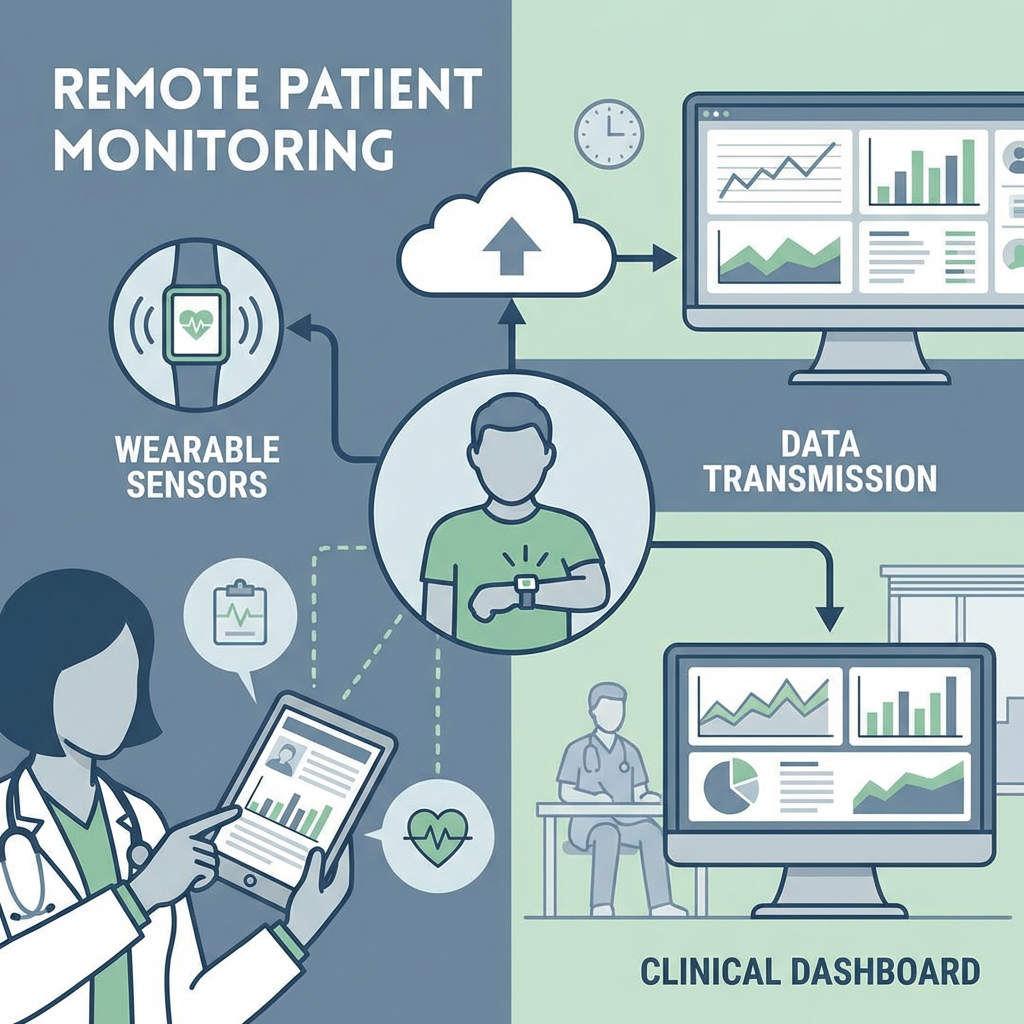
In the long term, digital health transformation will enable a shift from reactive to proactive care. With the integration of predictive analytics and remote monitoring, healthcare systems can move towards early intervention and prevention.
In summary, digital transformation is not a one-time project, but an ongoing process. It requires continuous adaptation, evaluation, and improvement. Organisations that embrace this mindset will be better positioned to navigate the evolving healthcare landscape.



Leave a Reply