Healthcare has traditionally been reactive. Most people visit a doctor only after symptoms appear, pain becomes unbearable, or a routine examination uncovers an existing problem. While this model has successfully treated countless illnesses, it often intervenes after disease has already progressed.
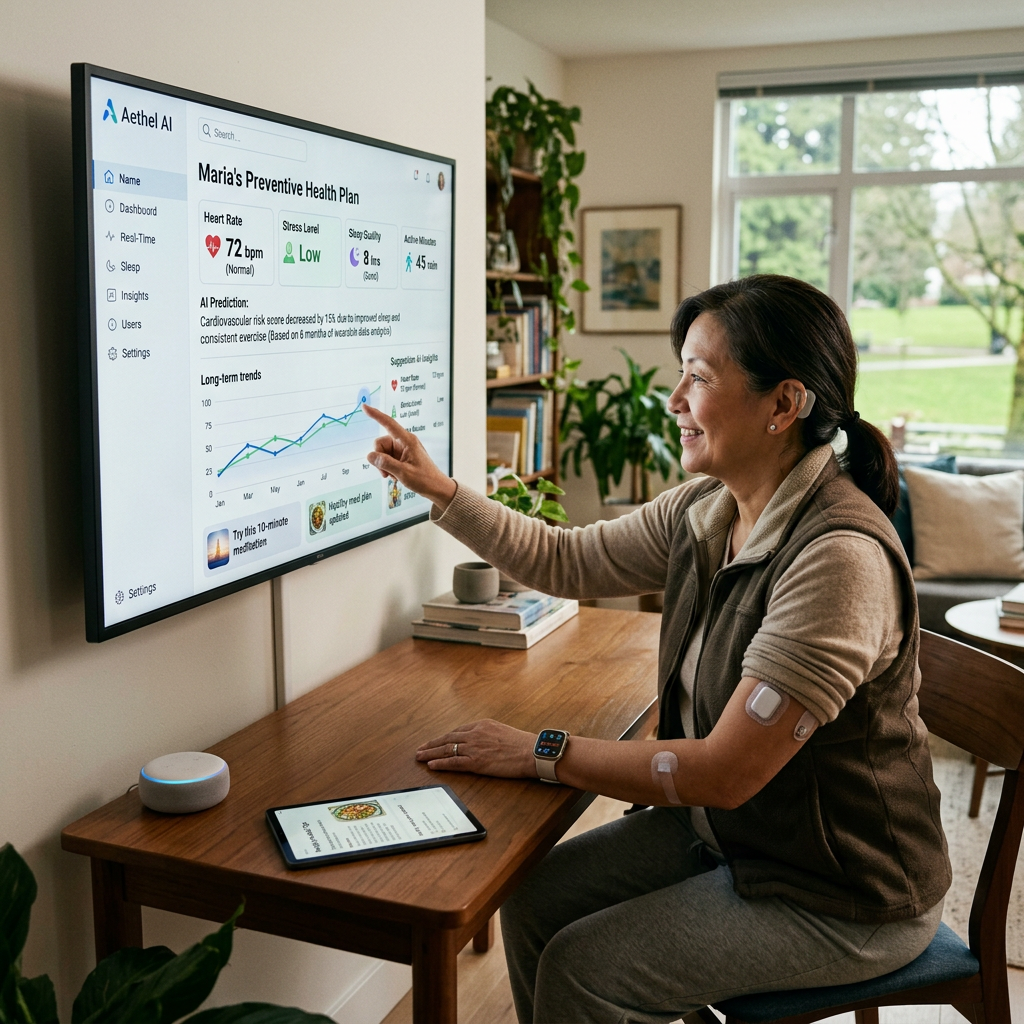
Today, however, a new paradigm is emerging. Advances in artificial intelligence (AI), wearable technology, cloud computing, and connected medical devices are shifting healthcare from treatment toward prevention. Instead of waiting for illness to occur, modern health technologies continuously monitor physiological signals, identify subtle changes, and provide early warnings long before serious complications develop.
This transformation is more than a technological trend—it represents one of the most significant changes in modern medicine. The future of healthcare may no longer be defined by hospitals alone, but by intelligent systems quietly working in the background of our daily lives.
The Evolution from Reactive Medicine to Preventive Healthcare
For decades, healthcare systems have focused primarily on diagnosing and treating diseases after they develop. Annual medical examinations provide only isolated snapshots of a person’s health.
Imagine taking only one photograph of a moving vehicle every twelve months. It would be nearly impossible to understand how the vehicle performs throughout the year.
Human health behaves similarly.
Blood pressure fluctuates daily.
Heart rhythm changes during exercise, stress, and sleep.
Blood glucose responds to meals within minutes.
Sleep quality varies dramatically across weeks.
Stress accumulates gradually over months.
One measurement each year cannot capture these dynamic physiological processes.
Continuous monitoring bridges this information gap. Modern wearable technologies generate longitudinal datasets that reveal trends rather than isolated measurements. This allows healthcare providers to recognize gradual deterioration before it becomes clinically significant. AI-enabled wearable systems are increasingly being developed to support preventive healthcare through continuous monitoring and personalized insights.
Wearables Are Becoming Personal Health Laboratories
Only a decade ago, wearable devices were primarily step counters.
Today’s devices have evolved into sophisticated physiological monitoring platforms capable of collecting numerous health indicators simultaneously.
Modern wearable technologies can monitor:
- Heart rate
- Heart rate variability (HRV)
- Blood oxygen saturation (SpO₂)
- Skin temperature
- Respiratory rate
- Physical activity
- Sleep stages
- Stress indicators
- Energy expenditure
Some specialized devices now monitor blood glucose, blood pressure trends, cardiac electrical activity, and even hydration status.
Rather than replacing clinical examinations, these technologies create a continuous health timeline that complements professional medical care.
The value lies not in collecting more data, but in understanding how these measurements interact over time.
Artificial Intelligence Makes Health Data Meaningful
Raw physiological data alone has limited value.
A smartwatch may collect thousands of measurements every day, yet few users possess the expertise required to interpret them.
Artificial intelligence changes this.
Machine learning algorithms can recognize subtle patterns across millions of measurements that would otherwise remain invisible.
For example, AI systems may detect:
- Gradually increasing resting heart rate
- Declining sleep quality
- Reduced physical recovery
- Elevated physiological stress
- Early signs of cardiovascular abnormalities
- Abnormal activity patterns
Instead of presenting complicated graphs, intelligent health platforms increasingly translate complex physiological signals into understandable recommendations.
Rather than saying:
“Your heart rate variability decreased by 14%.”
AI may explain:
“Your recovery appears lower than usual. Consider reducing today’s exercise intensity and prioritizing sleep.”
This transformation from information to actionable insight represents one of the greatest strengths of modern digital health technologies. Researchers are also exploring AI agents that can analyze wearable data and generate personalized health insights at scale.
Predictive Healthcare Is More Powerful Than Reactive Treatment
Perhaps the greatest promise of health technology lies in prediction.
Instead of identifying disease after symptoms develop, predictive systems estimate future risk.
Examples include:
Cardiovascular Disease
Small changes in resting heart rate, physical activity, sleep quality, and heart rhythm may collectively indicate increased cardiovascular risk.
When analyzed continuously, these indicators may encourage earlier medical evaluation before serious events occur.
Diabetes
Continuous glucose monitoring allows individuals to understand how different foods affect their metabolism.
Instead of receiving quarterly blood test results, users obtain real-time feedback that supports healthier dietary decisions.
Mental Health
Stress leaves measurable physiological signatures.
Heart rate variability, sleep disruption, reduced activity levels, and altered daily routines often change before individuals consciously recognize burnout or emotional fatigue.
AI systems may eventually assist clinicians by identifying these subtle changes earlier.
Respiratory Illness
Changes in resting heart rate, respiratory rate, and body temperature can sometimes precede noticeable symptoms.
Large-scale analysis of wearable data has demonstrated potential for detecting illness trends earlier than traditional reporting systems.
These predictive capabilities continue to evolve, but they illustrate how digital health technologies can move healthcare upstream—from intervention to prevention.
Remote Patient Monitoring Is Redefining Healthcare Delivery
Hospitals are no longer the only place where medical care occurs.
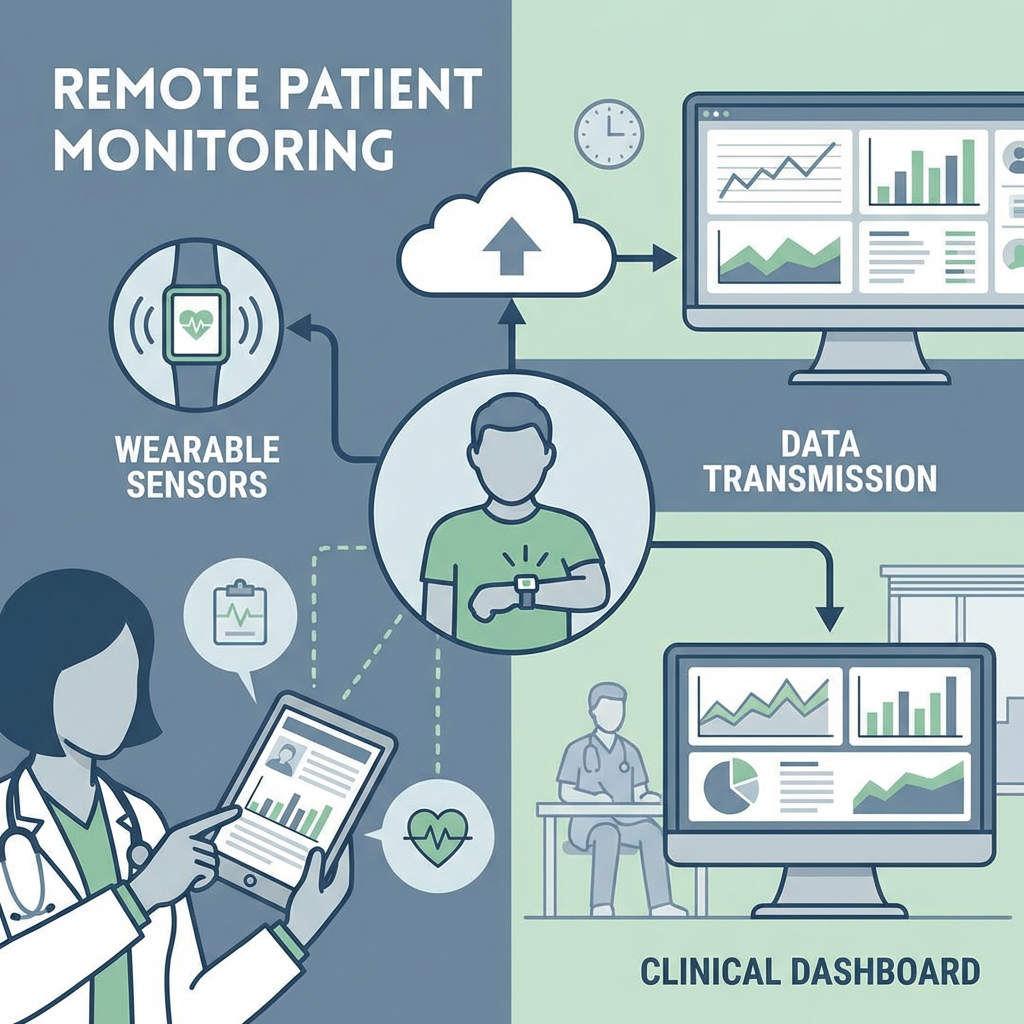
Remote Patient Monitoring (RPM) allows clinicians to observe patients while they remain comfortably at home.
Patients with:
- hypertension,
- diabetes,
- heart disease,
- chronic respiratory conditions,
- or post-operative recovery
can transmit health data securely to healthcare providers.
Benefits include:
- earlier identification of complications,
- fewer unnecessary hospital visits,
- improved management of chronic diseases,
- greater convenience for patients,
- reduced healthcare costs.
As healthcare systems face ageing populations and increasing demand, remote monitoring provides an effective way to extend clinical care beyond traditional settings.
The Privacy Challenge
The growth of digital health also raises important ethical questions.
Health data is among the most sensitive forms of personal information.
Wearables collect:
- location information,
- physiological measurements,
- sleep habits,
- exercise routines,
- lifestyle behaviours,
- sometimes even emotional indicators.
Responsible health technology therefore requires:
- strong encryption,
- transparent consent,
- secure cloud infrastructure,
- compliance with healthcare regulations,
- clear policies regarding data ownership.
Users should understand exactly who can access their information and how it will be used.
Trust will remain one of the defining factors in the long-term success of digital healthcare.
Human Doctors Remain Essential
Despite rapid advances in AI, technology should not be viewed as a replacement for healthcare professionals.
Artificial intelligence excels at:
- analysing massive datasets,
- identifying statistical patterns,
- monitoring continuously,
- generating alerts.
Healthcare professionals contribute something equally important:
- clinical judgement,
- contextual understanding,
- communication,
- empathy,
- ethical decision-making.
The most effective healthcare systems combine both strengths.
AI performs continuous monitoring.
Clinicians interpret findings within the broader medical context.
Patients receive more informed, personalised care.
This collaborative model is likely to define the next generation of medicine.
Looking Ahead
Over the coming decade, health technologies will become increasingly integrated into everyday life.
Emerging innovations may include:
- AI-powered digital health assistants,
- smart clothing with embedded biosensors,
- continuous metabolic monitoring,
- personalized preventive medicine,
- digital twins that simulate individual health trajectories,
- advanced home diagnostics,
- seamless integration with electronic health records.
The objective is not merely longer life expectancy, but healthier years lived with fewer preventable diseases and earlier intervention.
Healthcare is gradually becoming continuous rather than episodic.
Instead of asking, “How do we treat disease?”, tomorrow’s healthcare systems will increasingly ask, “How do we prevent disease from developing in the first place?”
That shift has the potential to improve quality of life while making healthcare systems more sustainable for future generations.
Final Thoughts
Preventive healthcare is no longer a futuristic concept—it is steadily becoming part of everyday life through connected devices, artificial intelligence, and continuous health monitoring. While these technologies are not substitutes for professional medical advice, they provide valuable tools for detecting trends, encouraging healthier behaviours, and supporting earlier clinical intervention.
As digital health continues to evolve, informed consumers, healthcare professionals, and technology developers all play an important role in ensuring innovation remains accurate, ethical, and patient-centred.
Interested in the future of medical innovation? Explore more articles on HealthTechTunnel.com, where we examine emerging technologies, AI-powered healthcare, medical devices, digital therapeutics, and the innovations shaping tomorrow’s healthcare landscape.

Leave a Reply