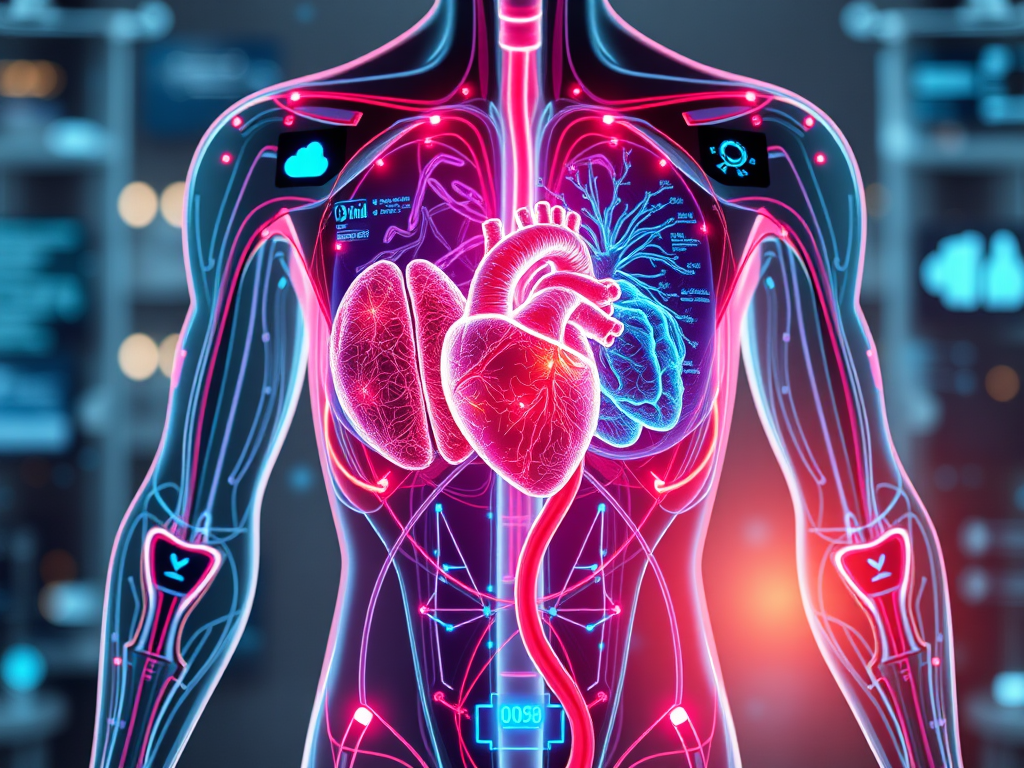
1. Introduction: The Emergence of Healthcare Digital Twins
Digital twins—virtual replicas of physical entities updated continuously with real-time data—have rapidly evolved from industrial engineering to one of the most transformative paradigms in modern healthcare. In medicine, a digital twin can represent an organ, a physiological system, or even an entire patient, capturing dynamic interactions, biological variability, and treatment responses through computational modelling.
The premise is profound: before treating the patient, treat the simulation.
By leveraging data from EHRs, wearables, imaging, genomics, and biosensors, healthcare providers can test interventions, forecast complications, and personalise therapies without exposing the patient to risk. As health systems shift toward predictive and preventative care, digital twins offer an unprecedented platform for modelling disease trajectories, optimising treatment, and improving clinical decision support.
This article examines the architecture, applications, computational underpinnings, and real-world potential of digital twins in contemporary clinical practice.
2. Foundations of Digital Twin Technology
2.1 Core Components
A healthcare digital twin typically integrates:
- Multimodal patient data: physiological signals, imaging, lab results, genomic signatures.
- Mathematical and biomechanical models: differential equations, finite element analysis, machine-learning layers.
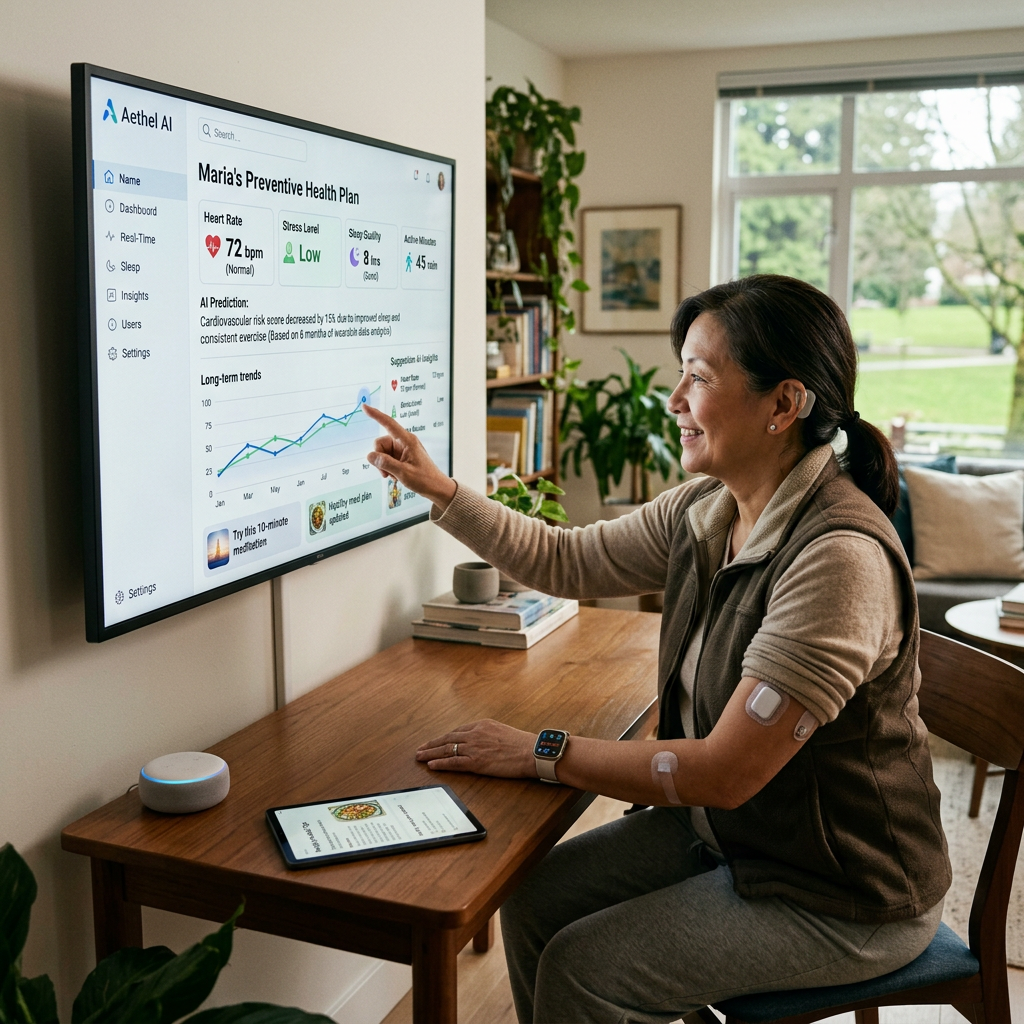
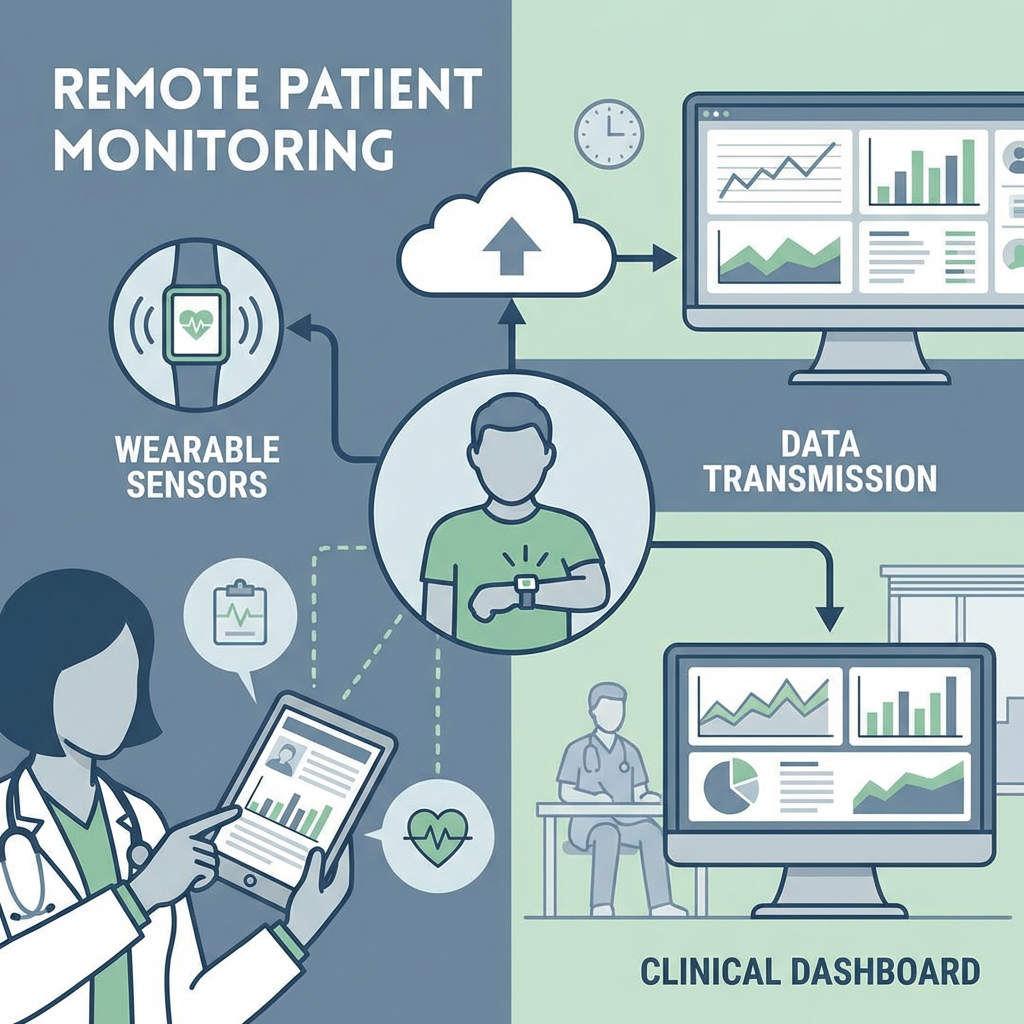
- Real-time data feeds: wearables, remote monitoring, continuous glucose monitoring, cardiac telemetry.
- Simulation engines: enabling scenario analysis, risk predictions, and treatment optimisation.
- Feedback loops: updating the model as new data emerges.
The innovation lies in the real-time synchronisation between the biological entity and its computational representation.
2.2 Data and Model Integration
Digital twins rely on the convergence of:
- Systems biology – pathway-level modelling.
- Computational biomechanics – modelling tissue mechanics or organ-level physiology.
- Machine learning – capturing nonlinear patterns and personalised deviations.
- Cloud and edge computing – ensuring high computational throughput.
- Interoperability frameworks – FHIR, HL7, DICOM for seamless data ingest.
The synergy of physics-informed models with AI-driven pattern recognition offers accuracy unattainable by either method alone.
3. Applications Across the Healthcare Spectrum
3.1 Personalised Treatment Planning
Cardiology
Digital twins of the heart model electrophysiology, blood flow, and structural behaviour, enabling:
- prediction of arrhythmia onset
- optimisation of pacemaker settings
- simulation of stent placement
- assessment of heart failure deterioration
Clinicians can examine how a particular therapy affects cardiac tissue mechanics before implementing it.
Oncology
Tumour growth models combined with genomics allow simulation of:
- chemotherapy dosage
- immunotherapy response
- radiation targeting
Digital twins provide the substrate for virtual clinical trials at the individual patient level.
3.2 Surgical Simulation and Pre-Operative Planning
High-fidelity musculoskeletal twins enable:
- virtual surgery rehearsals
- implant fit customisation
- identification of surgical risks
- prediction of post-operative recovery trajectories
Orthopaedics, neurosurgery, and cardiovascular surgery are early adopters, with simulation accuracy improving dramatically due to enhanced imaging and computational modelling.
3.3 Chronic Disease Management
Chronic diseases—diabetes, COPD, heart failure—are particularly suited for digital twin monitoring.
Example: Diabetes Digital Twin
- integrates glucose patterns, nutritional data, insulin response, and activity levels
- generates personalised insulin dosing recommendations
- predicts hypoglycaemic episodes
- identifies long-term risks
This shifts diabetes management from reactive to anticipatory.
3.4 Hospital Workflow and Operational Twins
Healthcare operations themselves benefit from digital twins:
- simulating patient flow
- predicting staff allocation needs
- equipment utilisation modelling
- emergency department congestion forecasting
These hospital-level twins optimise resource management, improving efficiency and reducing wait times.
3.5 Drug Development and Clinical Trials
Digital twins accelerate pharmaceutical research by:
- modelling pharmacokinetics (PK) and pharmacodynamics (PD)
- simulating drug interactions
- identifying toxicity thresholds
- predicting patient-specific responses
This significantly reduces the cost and time required for clinical development.
4. Computational Foundations
4.1 High-Performance Computing (HPC) and Cloud Infrastructure
Healthcare simulations require:
- massive parallel processing
- GPU-accelerated computation
- low-latency streaming from sensors
- containerised AI models deployed at the edge
Cloud-native frameworks allow patient-specific models to be updated continuously.
4.2 AI, Machine Learning, and Hybrid Modelling
Hybrid modelling merges mechanistic models (based on physics and physiology) with machine learning (data-driven insights).
This approach ensures:
- physiological plausibility
- robustness against noise
- adaptability to individual variability
Deep neural networks augment conventional modelling by capturing hidden patterns in time-series data.
4.3 Fidelity, Validation, and Clinical-Grade Standards
Digital twins must meet high validation thresholds:
- comparison against longitudinal patient outcomes
- sensitivity analysis across parameters
- regulatory scrutiny (FDA’s emerging Digital Twin Framework)
The accuracy of predictions is foundational for clinical trust.
5. Challenges and Ethical Considerations
5.1 Data Privacy and Ownership
Real-time data ingestion raises concerns:
- patient consent pathways
- cross-border data transfer
- cyber-resilience
5.2 Model Drift and Clinical Reliability
Physiological changes over time require continuous model recalibration to avoid inaccurate predictions.
5.3 Regulatory Landscape
Regulators must assess not only software reliability but simulation validity—a new domain for clinical standardisation.
5.4 Equity and Accessibility
Digital twins risk widening disparities if only premium healthcare systems can deploy them. Democratised access is critical.
6. The Road Ahead: Toward a Unified Virtual Patient Ecosystem
The long-term vision is an integrated multi-organ digital twin platform, where cardiovascular, neurological, metabolic, and respiratory simulations interconnect to form a complete virtual human representation.
Within the next decade, digital twins will:
- accompany every major clinical decision
- revolutionise personalised medicine
- enable population-scale predictive modelling
- support remote, decentralised healthcare delivery
Healthcare is moving toward a future where the simulation precedes the intervention, making medicine safer, more precise, and profoundly more effective.



Leave a Reply